By Jefferson (Clay) Cartmell
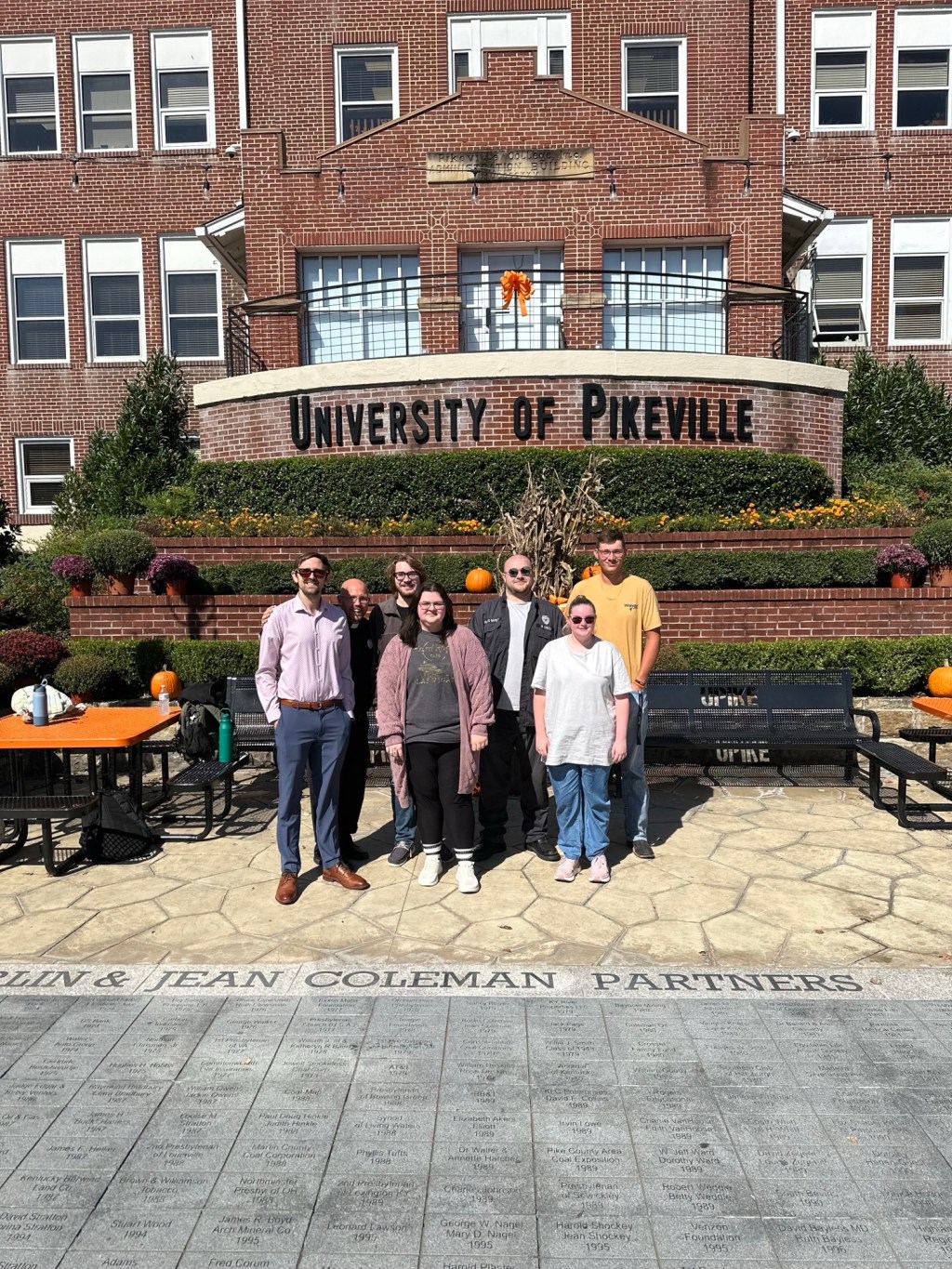
Write for Recovery is a student-led group meant to give patients and persons in detention center facilities the opportunity to express themselves in writing and poetry. Originally created as one of the campaigns in Dr. Jarman’s Narratives of Addiction class, Write for Recovery chose to target an audience of S.A.P. (Substance Abuse Program) patients and imprisoned persons, believing they would be in need of expressive assistance.
Since Mid-September, we worked to bring institutions like the Southeast Kentucky Correctional Center and the Pike County Detention Center workshops to give those there a chance to express themselves and a means of relief.
Before making our first jail visit, W.F.R. met with advisors like Dr. Amanda Slone and Dr. Rob Musick to discuss the campaign’s aspirations. Dr. Slone assisted in devising how the workshop should operate, as well as key focuses like lesson plans and handouts to bring the most to the participants. Dr. Musick provided us with valuable resources and studies which showed W.F.R.’s goals worked to unstress inmates. In addition, he produced contact information to propose the mission to facilities that would most likely host the program.
Write for Recovery’s first venture took them to Wheelwright’s Southeast Kentucky Correctional Center where they hosted a workshop with about 25 S.A.P. individuals to practice their writing and poetry. To begin, the participants partook in a bit of freewriting to get their minds in a creative mood and then filled out a “Where I’m From” poem. They were then welcome to write about anything they wished – story, poetry, life experiences, or simply their current thoughts. And, as the closing lesson, they were free to share what they had written in either the freewriting or the poetry bouts. Out of this, participants shared their piece on anything pertaining to God, to time, to dying, sex, and everything in between. I personally thought the individuals shared some brilliant things, and I, as well as others in W.F.R. even felt the participants were better writers than they themselves.
The second workshop took place at the Pike County Detention Center, located right in the middle of downtown Pikeville. Unlike the first workshop, this next venture contained all female inmates.
The women presented their writings to the circle , and awaited feedback from their peers. There were pieces about spiritual wanderings and guidance, lostness, and introspections they found about themselves, and they received supportive feedback from their peers. Personally, the sisterhood I noticed between them was inspiring. I realized their heartwarming efforts among each other revealed the bonds they all share.
In addition to attempting a new facility, we took what we learned from the first session and applied it to the second. We practiced better understanding, more attentive listening, and participated more ourselves than the previous workshop.
After both workshops, closing surveys were distributed to gauge feedback and overall feelings towards our hosted exercises. From these Write For Recovery felt our methods had really gotten to our people. They expressed genuine gratitude for our visit, and wished for us to come again in the future. It’s said our exercise brought out from within the inmates’ emotions that wouldn’t have otherwise been exposed, and, through this, they were able to understand these feelings more, and gain the ability to give shape through words to their thoughts. In fact, we have since heard certain participants have taken up journaling and writing more often after our visits. And, we plan to revisit the facilities since I have heard that is their wishes, too.
The following poem was written by Misty Osborne; a participant of our second workshop.


In the end, we at Write for Recovery cannot restate how grateful we are for the opportunity to have learned of and heard of our workshops’ participants. Our experience from the workshops showed the writing abilities of imprisoned persons should not be dismissed or ignored. Their thoughts are more refined than some might assume. Writing and poetry workshops should be hosted more often for detention facilities. The insights they provided have proved invaluable to our campaign’s goals, as well as the realizations we have had of ourselves. I think the future is ripe for more learning opportunities from correctional institution’s workshops.
I couldn’t be happier with the success of the Write for Recovery campaign. We set out determined and until the end had that same endurance until we were happy with our contributions to our campaign. As a special thank you, we at Write for Recovery would like to recognize Dr. Rob Musick, Dr. Amanda Slone, and Dr. Cody Jarman for their meetings with us to really get this off the ground and for guidance. Without their input, we wouldn’t have made it this far.
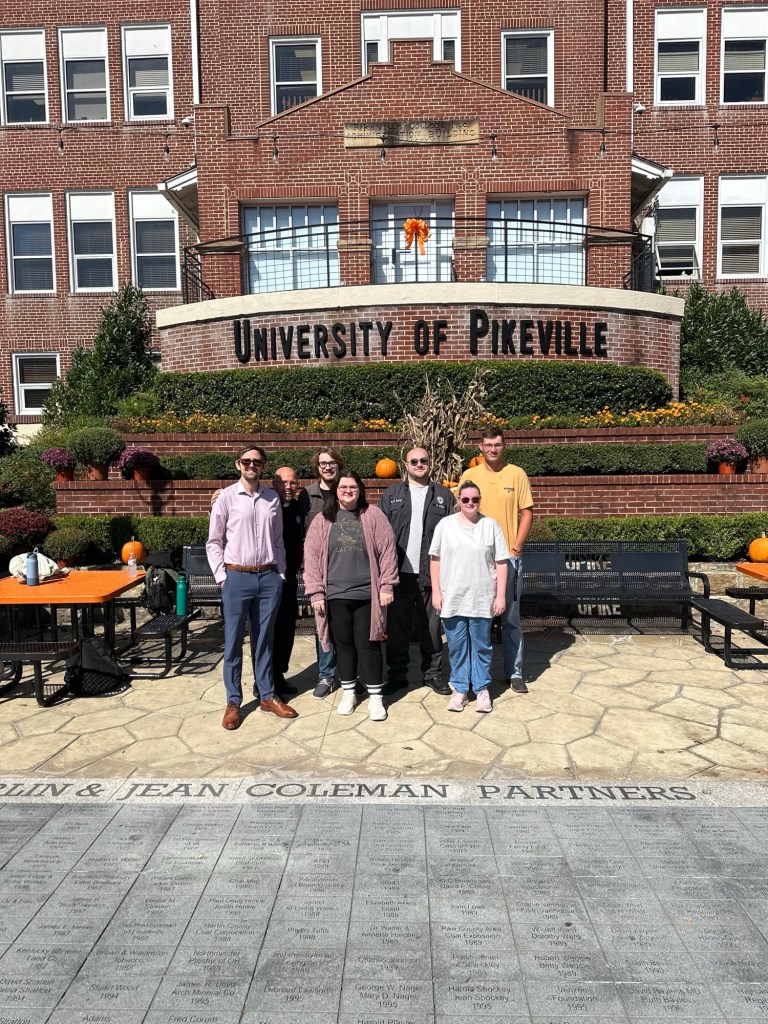
To end, here are some words from a couple Write For Recovery leaders.
“The creative writing workshop was an amazing experience that opened my eyes to all the different ways that creative writing and expression can help people through trauma such as drug addiction or incarceration. The participants were excited about the change in their routine and were all happy to share their work with each other. It felt really good to show all of these people a new avenue to help with their recovery.” – Halee Adkins
“Write For Recovery was a challenging and very rewarding experience. It was interesting to hear the perspectives and stories of those struggling with addiction.” – Bruce (Mack) Gibson
 Voices From The Hill